+86-18018129592 / +86-18021275688

manager@meiganggroup.com


Inquire Now
+86-18018129592 / +86-18021275688
manager@meiganggroup.com
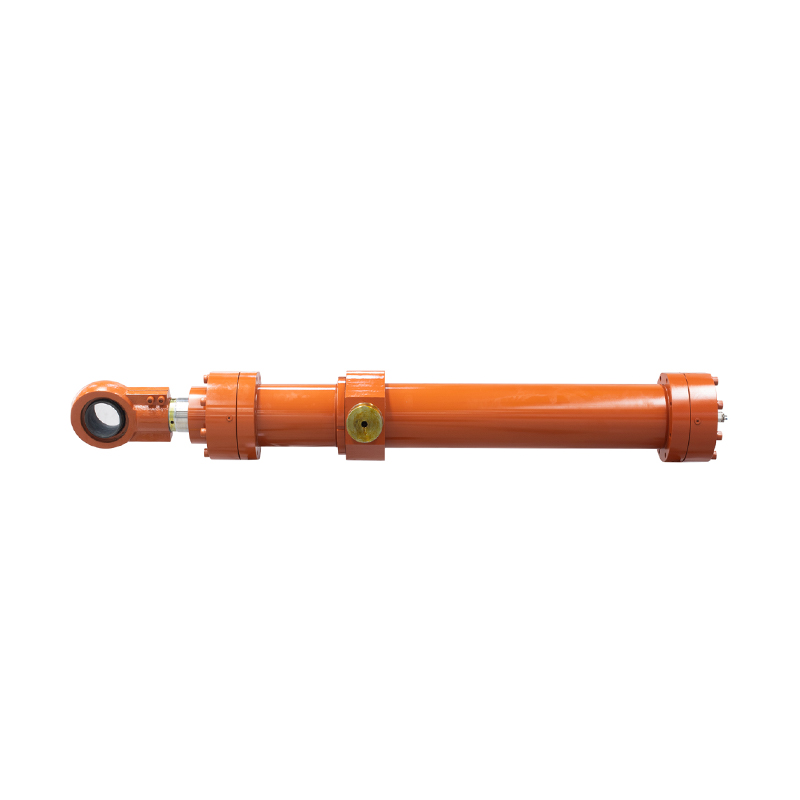
In hydraulic systems, the hydraulic cylinder plays a vital role as the component that directly converts hydraulic energy into linear mechanical motion. Its reliability and efficiency depend on several factors—material quality, seal integrity, machining accuracy, and, often overlooked, surface finish. The surface finish of a hydraulic cylinder’s internal and external components, particularly the piston rod and cylinder bore, has a profound impact on performance, wear resistance, sealing capability, and overall lifespan.
Surface finish refers to the texture or roughness of a machined surface, characterized by small-scale deviations from a perfectly smooth plane. It is quantified through parameters such as Ra (average roughness), Rz (mean roughness depth), and Rt (total roughness height).
In hydraulic cylinders, surface finish is not merely an aesthetic or manufacturing concern—it directly affects how components interact under high pressure and continuous motion. The three most critical areas influenced by surface finish are:
The key is achieving a controlled roughness that allows for minimal friction while ensuring sufficient oil film retention for lubrication. Too smooth a surface can lead to dry running and seal damage, while a surface that is too rough accelerates wear and leakage.
Before examining performance effects, it’s important to understand the parameters used to evaluate surface finish:
In hydraulic cylinder manufacturing, typical values are:
These controlled finishes ensure a fine balance between oil retention and seal compatibility.
Hydraulic cylinders rely on a thin oil film to reduce metal-to-metal contact between moving parts. The surface finish determines the film’s ability to form and maintain stability.
An optimized surface finish allows for consistent oil film formation, providing the dual benefits of reduced wear and improved energy efficiency through lower friction losses.
Seals are critical in maintaining pressure and preventing fluid leakage. Their effectiveness depends heavily on the surface they contact.
Therefore, seal manufacturers often specify optimal Ra values to ensure a compromise between sealing integrity and lubrication. For instance, rod seals might perform best on surfaces with Ra values between 0.2 and 0.3 μm.
Moreover, surface directionality—often overlooked—matters. Cross-hatch honing patterns, for example, help distribute oil evenly, reducing localized wear.
A well-finished piston rod surface is vital in resisting corrosion and preventing contaminant adhesion. Chrome plating or advanced coatings like ceramic or nickel-chrome rely on precise finishing to ensure uniform thickness and pore-free protection.
A rough surface traps moisture and particles, acting as initiation sites for corrosion or pitting. Over time, these imperfections compromise the protective coating and lead to rod scoring, seal damage, and oil contamination.
A fine, properly finished rod surface not only resists corrosion but also allows the wiper seals to remove dirt efficiently during each stroke, extending the system’s operational life.
Surface finish directly affects the coefficient of friction between moving parts. Hydraulic systems are sensitive to small efficiency losses, as energy lost to friction converts into heat, reducing overall system efficiency.
An optimized finish minimizes friction without risking lubrication starvation. Studies have shown that improving the surface finish of piston rods and bores can reduce friction by up to 10–15%, translating to lower energy consumption and improved control precision.
The interaction between the piston, seals, and bore walls under high pressure creates inevitable wear over time. Surface finish acts as the first line of defense against this wear.
When properly honed, the microstructure of the surface distributes stresses uniformly, preventing localized fatigue. Poorly finished surfaces, however, develop stress concentrations around deep grooves or scratches, which can initiate micro-cracks and accelerate wear.
Furthermore, smoother finishes minimize abrasive wear caused by trapped contaminants, ensuring longer service life for both the cylinder and its seals.
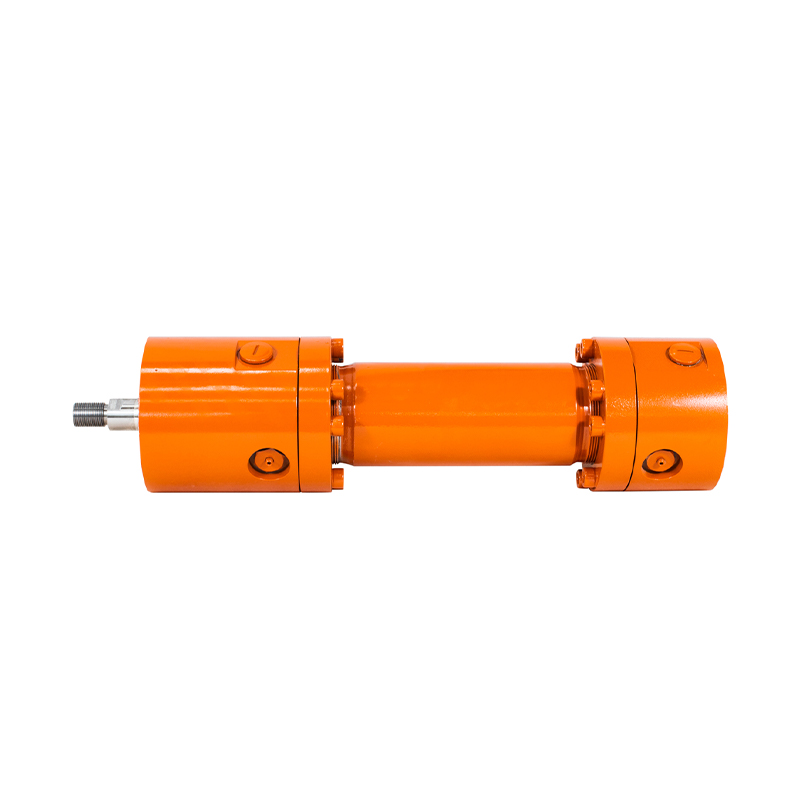
The desired surface finish in hydraulic cylinders is typically achieved through processes such as:
Each process influences not only the surface texture but also the subsurface properties—such as residual stress and microhardness—which contribute to overall performance.
Consider two hydraulic cylinders operating under similar conditions in an industrial press.
Over 1,000 hours of operation:
This comparison underscores how small differences in surface finish can lead to significant variations in long-term performance and maintenance costs.
Recent advancements in surface engineering have improved the performance of hydraulic cylinders even further. Coatings such as ceramic, tungsten carbide (HVOF), or duplex nickel-chrome layers offer superior hardness and corrosion resistance compared to traditional chrome plating.
However, these coatings demand precise finishing to achieve their full potential. Improper surface preparation can lead to delamination or non-uniform thickness, defeating the purpose of the coating. Post-treatment polishing or superfinishing ensures the surface maintains its designed roughness range for seal compatibility and wear protection.
Even a perfectly finished cylinder can deteriorate quickly without proper maintenance. Operators should implement regular inspection and preventive measures such as:
Proper cleaning and lubrication routines are essential to preserve surface finish and avoid abrasive wear caused by trapped dirt or degraded oil.
Various industry standards provide guidance for surface finish requirements in hydraulic components:
Adhering to these standards ensures consistency and compatibility with standard seal designs and hydraulic fluids.
Achieving the ideal surface finish adds cost due to extra machining and polishing steps. However, this cost is minor compared to the savings from reduced downtime, longer component life, and lower energy consumption.
In high-duty applications—such as construction machinery, marine hydraulics, or injection molding—investing in superior surface finish quality can extend cylinder life by several years and drastically reduce maintenance frequency.
The goal is optimization, not perfection. A finish that meets the functional requirements—neither too rough nor overly smooth—delivers the best balance of performance and cost efficiency.
The surface finish of a hydraulic cylinder is more than a manufacturing specification—it is a decisive factor in the system’s overall performance, reliability, and durability. From lubrication efficiency and sealing integrity to corrosion resistance and energy consumption, every aspect of operation is influenced by how smooth or textured a surface is.
By understanding and controlling surface roughness parameters, manufacturers and maintenance engineers can significantly enhance cylinder lifespan and reduce operational costs. Whether through advanced honing, precision grinding, or modern coating technology, attention to surface finish remains one of the most cost-effective strategies for ensuring long-term hydraulic cylinder performance.

We have a strong R&D team, and we can develop and produce products according to the drawings or...

We have two of our own casting foundries and one CNC machining factory. So we can offer the best price...

We have our own testing lab and the advanced and complete inspection equipment, which can...


+86-18018129592
+86-18021275688

manager@meiganggroup.com
sales_001@meiganggroup.com
sales_002@meiganggroup.com
© 2024 SUZHOU MEIGANG ENG TECH LIMITED All rights reserved. China Integrated Metallurgical Equipment Manufacturer

 English
 русский